Floor coverings for a new building should ideally be considered during the design process to avoid extra costs later. At the same time, with today’s possibilities there is no floor that cannot be repaired later, says Hannes Olop, head of Loyatic OÜ.
The choice starts with the purpose of the room
The choice of floor covering for a new house, or replacing one in an existing building, depends on the interior and atmosphere the client wants. First of all, consider the purpose of the rooms and the resulting requirements for durability and sound insulation. In addition to standard solutions, there is a wide range of coverings and special solutions.
For public spaces, manufacturers usually offer a special range of industrial materials with particularly high wear resistance. As a rule of thumb, whatever covering you install, follow the installation instructions or previous experience — otherwise a poorly constructed floor may need renovating after just one year.
“The floor coverings used 10–15 years ago are history today. Their appearance, ingredients, installation methods and durability have all changed,” says Hannes Olop.
The substrate is the most important part
When installing floor coverings in public spaces, everything starts with the substrate: if it is dry, strong and smooth, the floor will last for years with proper maintenance. Poorly installed and levelled concrete requires additional levelling with self-levelling compound for most coverings. The same applies to a carelessly poured floor, which may later require extra costs from the client.
Which material suits where?
- PVC is waterproof and durable, suitable for corridors and industrial buildings with heavier traffic. It can also be installed in wet rooms if the material is turned up the wall by about 10 cm at the edges. PVC can be patterned and striped; a good example is the corridor of Kergu kindergarten, where flowers made from different PVC tones were cut into the floor.
- Linoleum is an environmentally friendly covering made from natural materials, preferred in schools, kindergartens and care homes. It is easy to maintain, and its quality and design keep floors beautiful for a long time.
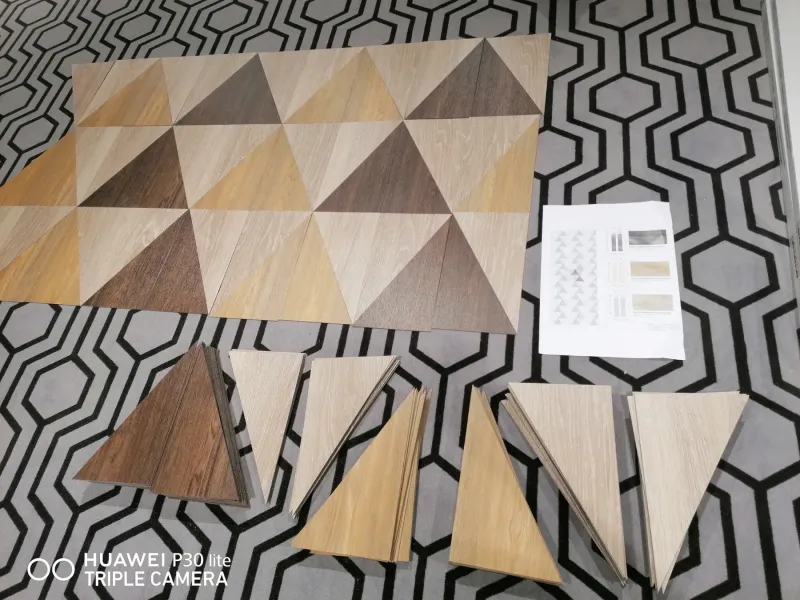
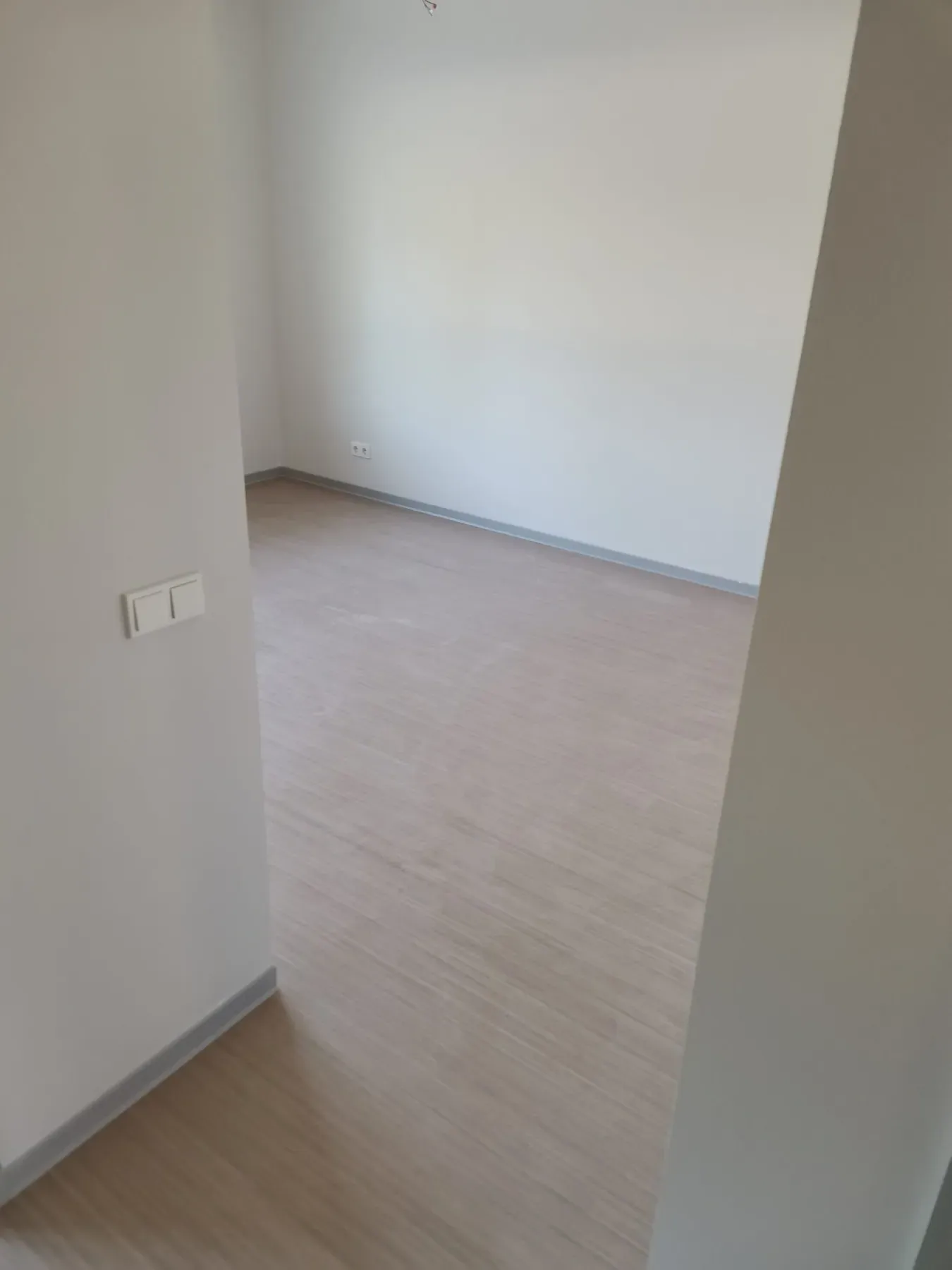
- LVT or luxury vinyl tile convincingly imitates wood floors, ceramic tiles and stone slabs. The wide choice of patterns suits retail and service spaces as well as homes.
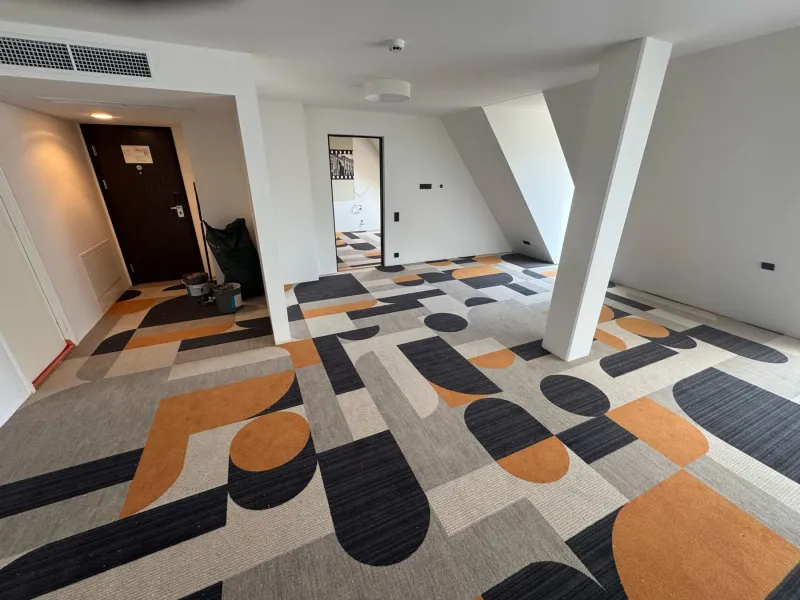
- Carpets suit offices where a pleasant indoor climate and reduced footstep noise matter. The range includes tiles and rolls, synthetic and natural materials from wool to coconut. The advantage of carpet tiles is that they are easy to replace.
- Parquet suits those who value naturalness and warmth. Parquet can be installed glued or floating, and is particularly suitable for homes and home offices.
There are also cork, ceramic tiles, rubber and plastic. Loyatic has experience installing all of them. If you are unsure between materials, we will help you choose.
Technology keeps changing
Flooring materials and technology are constantly evolving. It is therefore important that the installer is familiar with the range from different manufacturers and follows the manufacturer’s requirements. The most worry-free floor is one that is correctly chosen, correctly installed and correctly maintained.